Introduction
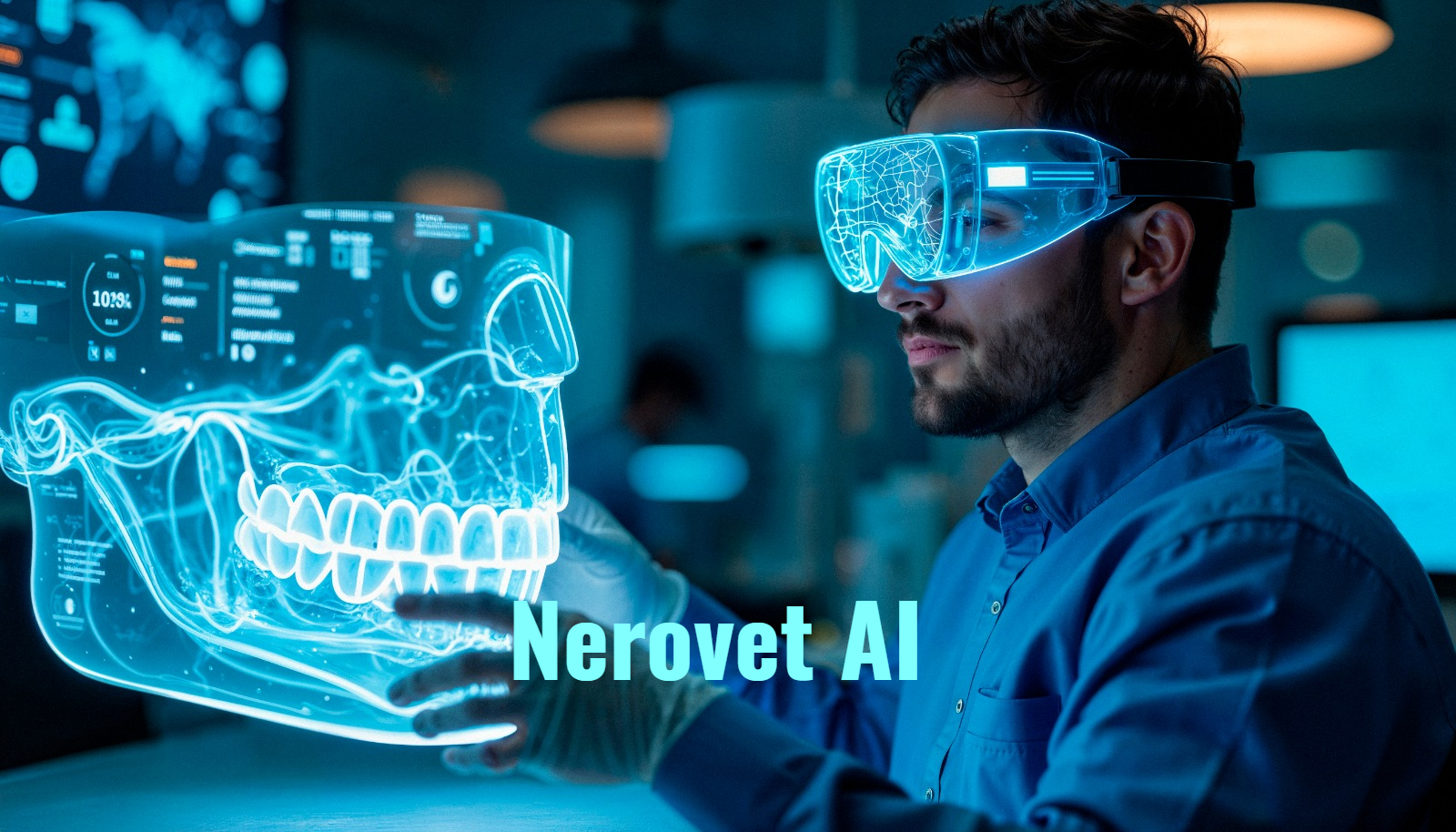
Nerovet AI Dentistry e is rapidly transforming healthcare, and dentistry is one of the fields benefiting the most from this evolution. While the term “Nerovet” is often used online, it is generally linked to advanced AI dental systems similar to those used by leading platforms like Overjet. These technologies are reshaping how oral diseases are detected, documented, and explained to patients.
Today’s dental care is no longer limited to traditional radiographs and manual assessments. The integration of machine learning, smart imaging, and automated analysis is helping professionals diagnose conditions with higher accuracy and speed.
Below, we explore how this new wave of digital dentistry is changing modern clinics, improving patient outcomes, and shaping the next decade of oral healthcare.
How AI Is Reshaping Modern Dental Diagnostics
AI-driven platforms are built to identify issues that might be missed during manual reviews. They compare data across thousands of clinical samples, helping dentists make more accurate decisions.
1. Enhanced Disease Detection
AI systems can highlight potential signs of decay, bone loss, and gum disease using advanced image analysis.
Tools that use deep-learning models interpret X-rays more consistently, reducing diagnostic errors and improving confidence for both professionals and patients.
2. Real-Time Visual Markups
When a dentist uploads a radiograph, the system instantly highlights areas of concern.
These visual overlays make explanations clearer and empower patients to understand their treatment needs without confusion.
3. Improved Accuracy and Consistency
Traditional diagnostics can vary based on experience, lighting conditions, and even fatigue.
AI platforms maintain a consistent standard, ensuring each scan receives the same level of attention and precision.
How Technology Is Transforming Dental Workflows
Digital systems are doing more than improving diagnoses—they’re speeding up workflows and reducing unnecessary delays.
1. Faster Radiograph Interpretation
What once took several minutes can now be completed in seconds.
Instant suggestions help professionals finalize treatment plans more quickly, improving patient flow in busy clinics.
2. Automated Documentation
Advanced platforms can convert imaging data into structured reports.
This eliminates manual charting errors and ensures that patient files remain clear, detailed, and easy to audit.
3. Streamlined Treatment Planning
By analyzing multiple images together, AI assists in creating personalized treatment maps.
Features like side-by-side comparisons allow dentists to show progress, risks, and long-term projections more effectively.
Improving Communication and Patient Trust
One of the biggest challenges in dental care is bridging the communication gap between technical findings and patient understanding.
1. Clear Explanations Through Visual Evidence
Patients often struggle to interpret traditional X-rays.
AI-generated indicators—like color-coded bone levels or highlighted cavities—provide clear visual proof of what’s happening inside the mouth.
2. Increased Transparency
When patients see accurate visual assessments, trust increases.
They feel more confident in the recommended treatments and are more willing to follow through with appointments.
3. Better Long-Term Monitoring
AI tools track oral changes over time and compare them with previous scans.
This helps patients see progress and allows dentists to adjust treatment plans as needed.
Why AI Is Considered the Future of Dental Technology
The adoption of advanced digital tools in dentistry is not just a trend—it’s an essential shift toward more effective and precise care.
1. Early Identification of Oral Issues
AI identifies subtle patterns long before symptoms become visible.
Early detection reduces treatment costs, shortens recovery times, and prevents serious complications.
2. Data-Driven Decision Making
With thousands of data points analyzed per scan, decisions are no longer based only on visual inspection.
These systems provide evidence-backed suggestions that support clinicians at every step.
3. Support for Growing Clinic Demands
Dental clinics are managing more patients than ever.
Its helps maintain high-quality care while reducing the workload for dentists, hygienists, and support staff.
AI in Dentistry: The Technology Behind the Transformation
AI dental solutions rely on multiple advanced tools to achieve high accuracy and performance.
1. Deep Learning Algorithms
These systems are trained on millions of images, enabling them to recognize patterns humans may overlook.
They continuously learn and improve as new data becomes available.
2. Predictive Models
Predictive tools estimate how oral health might change over time.
By forecasting future risks, dentists can provide preventive guidance instead of reacting to worsening conditions.
3. Cloud-Based Data Management
Cloud integration allows clinics to securely store, share, and analyze dental records.
It ensures real-time updates and seamless access across multiple devices.
How AI Supports Dental Professionals
Dental professionals benefit significantly from smart diagnostic systems, especially in high-demand clinical environments.
1. Improved Clinical Confidence
AI-powered measurements provide accurate insights, reducing uncertainty and improving treatment quality.
This is particularly valuable for newer dentists who are still building experience.
2. Reduced Administrative Burden
Automated charting and documentation cut down on paperwork.
Clinicians can shift their focus back to patient interactions and hands-on care.
3. Enhanced Training for Students
Dental schools are increasingly adopting AI platforms to support learning.
Students gain exposure to real-world datasets and can compare their assessments with AI-generated suggestions.
Impact of AI on Patient Outcomes
The ultimate goal of modern dental technology is to improve patient well-being and long-term oral health.
1. More Accurate Treatments
AI helps dentists identify the most effective solutions based on detailed imaging and consistent analysis.
This ensures that patients receive only the necessary procedures.
2. Faster Appointments
When diagnostic steps are automated, consultations become smoother and quicker.
Patients appreciate the convenience and reduced waiting time.
3. Enhanced Preventive Care
With predictive insights, patients receive early warnings about potential issues.
This encourages proactive care and reduces the need for complex treatments.
Challenges and Limitations of AI in Dentistry
While AI is powerful, it must be used responsibly and carefully.
1. Over-Reliance on Technology
Dentists must balance technological insights with professional judgment.
AI is a tool, not a replacement for clinical expertise.
2. Data Privacy Concerns
Cloud-based platforms must follow strict security standards.
Clinics need to ensure compliance with data protection rules.
3. Learning Curve for New Users
Some professionals may need training to adapt to digital systems.
Once mastered, however, these tools make practice management far easier.
The Future of Dental Clinics with AI Integration
Dentistry is expected to become more digital, connected, and efficient in the coming years.
1. Fully Digital Workflows
AI will support imaging, reporting, scheduling, and even patient follow-ups.
This creates a seamless environment where fewer tasks rely on manual effort.
2. Continued Advancements in Imaging
Future systems may detect even more subtle changes in tissue and bone structure.
This will further improve accuracy and early detection.
3. Wider Adoption Across the Globe
As costs decrease, more clinics—small and large—will adopt AI tools.
This democratizes access to advanced dental diagnostics worldwide.
FAQs
1. What does AI actually do in modern dentistry?
AI analyzes dental images, highlights potential concerns, and assists dentists in making more accurate diagnoses.
2. Does using AI replace dentists?
No. AI supports dentists by enhancing accuracy and saving time, but final decisions always require professional judgment.
3. Is AI-based dental analysis safe?
Yes. These systems follow strict clinical standards and use encrypted data storage for safety and compliance.
4. Can patients understand AI-generated results?
Absolutely. The visual markings and simple explanations make it easier for patients to trust and understand their diagnoses.
5. Do all clinics use AI?
Not yet. Adoption is growing rapidly, but full integration depends on training, software costs, and clinic size.
Conclusion
The world of dentistry is moving toward a future where technology plays a central role in patient care. AI-driven tools like those associated with modern digital platforms are bringing unprecedented accuracy, speed, and clarity to dental diagnostics. Clinics benefit from smoother workflows, while patients gain a clearer understanding of their oral health.
As digital tools continue to evolve, dental professionals can expect even more precise imaging, easier documentation, and better predictive insights. The result is a future where oral care becomes faster, more reliable, and more transparent for practitioners and patients alike.
Artificial intelligence is not just improving dentistry—it is redefining the entire experience of visiting a clinic. The next decade of dental technology will be shaped by smarter tools, stronger data insights, and more collaborative patient care.


