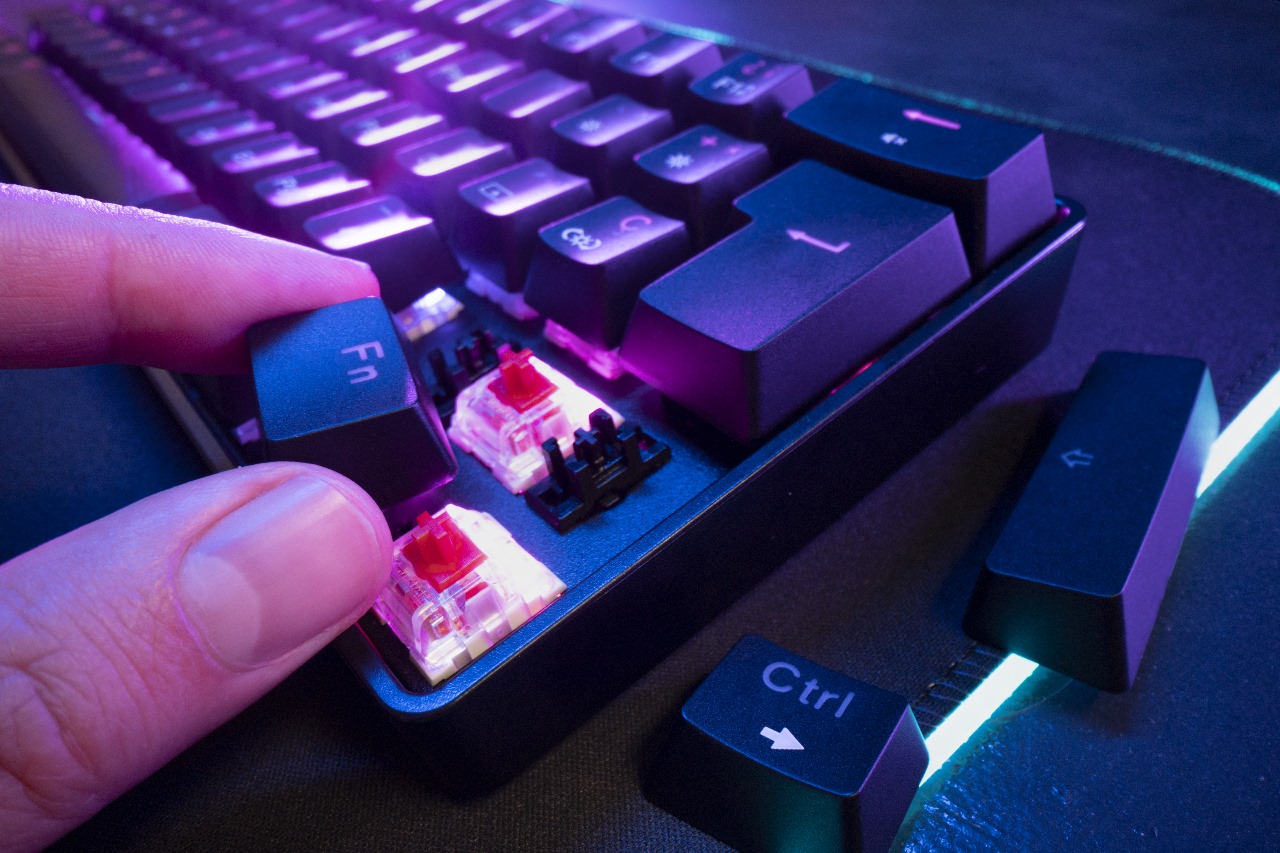
What is Kibard?
The term kibard has become increasingly common online, even though it isn’t an actual English word. Many people type it accidentally when they really mean “keyboard.” This mistake appears in search engines, social media posts, tech forums, and even shopping websites. Although the error seems simple, there are interesting reasons behind it. From typing patterns to phonetic pronunciation issues, the rise of the word “kibard” reveals a lot about how people interact with digital devices.
To understand the full meaning and background of this term, we must explore how it started, why it’s so common, and what it represents in modern digital communication.
1. Understanding the Meaning of “Kibard”
1.1 Not an Actual English Word
“Kibard” is not a recognized dictionary term.
It exists mainly because people mistakenly type it when they intend to search for or refer to the word “keyboard.” This happens across all languages, especially where English spelling is learned through sound rather than reading.
1.2 A Result of Typing Similarities
The mistake usually occurs because the letters that form both words are close on the keyboard.
For example, “i” and “o” are beside each other, making the error extremely common during fast typing.
1.3 A Phonetic Mispronunciation
In many regions, people pronounce “keyboard” differently based on their accent.
This phonetic variation sometimes sounds like this especially when English isn’t the person’s first language.
2. Why People Type Kibard Instead of Keyboard
2.1 Keyboard Layout and Letter Placement
One of the biggest reasons for the mistake is simple finger placement.
Most typists use the QWERTY layout, where one small finger movement can change the letter entirely.
Because of this, typing quickly increases the chance of writing.
2.2 Autocorrect Errors and Predictive Text
Sometimes the mistake is not caused by the user but by their device.
Phones and tablets often try to predict words, and unusual spelling combinations may result in incorrect outputs.
In certain cases, autocorrect replaces mistyped letters with random suggestions, generating uncommon variations.
2.3 Learning English Through Sound
Many people around the world learn English through speaking rather than writing.
When someone hears the word “keyboard,” they may remember it phonetically and type it exactly how it sounds to them.
3. How Search Engines Treat the Word Kibard
3.1 Google Automatically Corrects It
If you type this word into Google, the search engine immediately suggests “keyboard.”
Google recognizes it as a common typing error and treats it like a misspelling.
This behavior helps users find the correct result even if they type the wrong spelling.
3.2 Search Volume and Trend Growth
Surprisingly, the term receives thousands of monthly searches.
This is because typing mistakes occur frequently across different devices, especially mobile phones where accuracy is lower.
SEO professionals sometimes monitor such variations to understand user behavior.
3.3 Impact on Content Visibility
If websites include natural explanations of common mistakes, they may appear in search results for both the correct and incorrect terms.
This can increase organic traffic without keyword stuffing or overuse of unrelated terms.
4. The Psychology Behind Typing Mistakes
4.1 Speed Over Accuracy
Modern users type quickly—whether on a laptop, a mobile device, or a gaming keyboard.
When people type fast, their accuracy decreases, creating room for small, unnoticed errors.
This prioritization of speed is one of the main reasons the mistake occurs.
4.2 Low Finger Awareness on Keyboards
Many people don’t use proper typing techniques like home-row positioning.
Instead, they rely on whichever finger reaches the key first, increasing the chance of wrong-letter combinations.
This lack of structure is common among casual typists.
4.3 Cognitive Load and Distraction
When users multitask, their brain processing is divided.
Typing becomes automatic, and they often don’t notice small spelling mistakes like this word especially if the surrounding text appears correct.
5. Examples of Where Kibard Typing Errors Appear
5.1 Online Shopping Searches
People searching for a new computer accessory sometimes type the wrong spelling.
This leads to unusual search results or even incorrect product suggestions.
Retail sites often auto-correct the spelling to prevent confusion.
5.2 Gaming Discussions and Tech Forums
Gamers frequently type fast while chatting during gameplay.
Mistakes appear more often because their attention is on the game, not their spelling.
The term shows up in forums, chat logs, and comments.
5.3 Casual Messaging and Social Media Posts
Social platforms like Facebook, TikTok, or WhatsApp are filled with fast, informal communication.
This increases the chance of spelling errors since users rarely double-check what they type.
Most people don’t realize they made the mistake until someone corrects them.
6. How to Avoid Making the Typing Mistake
6.1 Slow Down When Typing
Typing a little slower greatly improves accuracy.
Even reducing speed by 10% can reduce typos significantly.
It’s helpful for beginners and experienced typists alike.
6.2 Use Auto-Correct Wisely
Instead of disabling autocorrect completely, users can adjust settings.
Many devices allow customized dictionaries that help prevent unusual mistakes.
This ensures that future errors are caught automatically.
6.3 Practice Better Finger Placement
Typing tutorials or apps can improve muscle memory.
Once your fingers learn consistent positioning, the likelihood of random errors decreases.
This is especially beneficial for long-term typing habits.
7. Why the Word “Kibard” Still Matters in SEO
7.1 Shows Real User Intent
Search behavior reveals what people truly want.
Even if the spelling is wrong, their intent remains the same—they want information about a computer input device.
Understanding such behavior helps writers improve content accuracy.
7.2 Helps Create Better Content
Content creators can address common typing mistakes in helpful, natural explanations.
This improves user experience and provides clarity to beginners or non-native speakers.
Such approaches build trust and authority.
7.3 Enhances Keyword Variation Insights
SEO professionals often study variations to understand the broader search patterns.
This helps identify trends in user behavior, especially when analyzing global audiences.
Even unintentional spelling variations provide valuable data.
Conclusion
The term “kibard” may look strange, but it is simply a common misspelling of the word “keyboard.” It appears because of typing errors, pronunciation differences, autocorrect limitations, and fast digital communication. Understanding how and why people type this word reveals insights into human behavior, search patterns, and digital literacy.
As technology evolves and more people type on mobile devices, such mistakes are likely to continue. Recognizing them and addressing them through clear explanations helps improve both communication and user experience.